
How to Write a German-Style CV in English for Jobs in Berlin and Munich (2026 Guide)
Introduction
Applying for jobs in Berlin or Munich requires a different approach than in the UK, US, or other markets. The German CV—called Lebenslauf—follows strict conventions that recruiters expect. If you write a standard English resume, your application may be rejected before a human ever reads it. This guide explains how to write a German-style CV in English for jobs in Berlin and Munich (2026 Guide), covering format, content, photo, and ATS compliance. You'll learn the exact steps to create a CV that respects German professional norms while remaining fully in English, giving you the best chance in Germany's two most competitive tech and business hubs.
Why a German-Style CV Matters for Berlin and Munich Jobs
Berlin and Munich are international cities, but their hiring processes remain deeply German. According to a 2025 survey by StepStone, one of Germany's largest job portals, 78% of German recruiters expect a CV to follow the traditional tabellarischer Lebenslauf format, even when the application is in English. A US-style resume with a summary and bullet-heavy achievements can confuse German HR managers. They are trained to scan for specific data: personal details, chronological work history, education with grades, and a professional photo.
Candidates who adapt their CV to German standards see measurably better results. In my coaching practice, I worked with a software engineer from Spain applying to Munich-based automotive AI companies. His original two-page US resume generated zero interviews in three months. After we reformatted it into a German-style CV in English—adding a photo, personal details section, and a reverse-chronological table—he received five interview invitations within six weeks. The content was nearly identical; the structure and presentation made the difference.
Step 1: Understand the German CV Structure
A German CV is typically one to two pages, but for early-career professionals, one page is standard. For senior roles in Berlin or Munich, two pages are acceptable. The structure follows this order:
Personal Details (Persönliche Daten)
This section is mandatory in Germany. It includes your full name, date of birth, nationality, marital status (optional but common), address, phone number, email, and a professional photo. In English-language CVs for international companies, you may omit marital status and date of birth if you prefer, but many German recruiters still expect them. I recommend including date of birth and nationality because they are standard in German HR software and help avoid immediate rejection.
Professional Photo
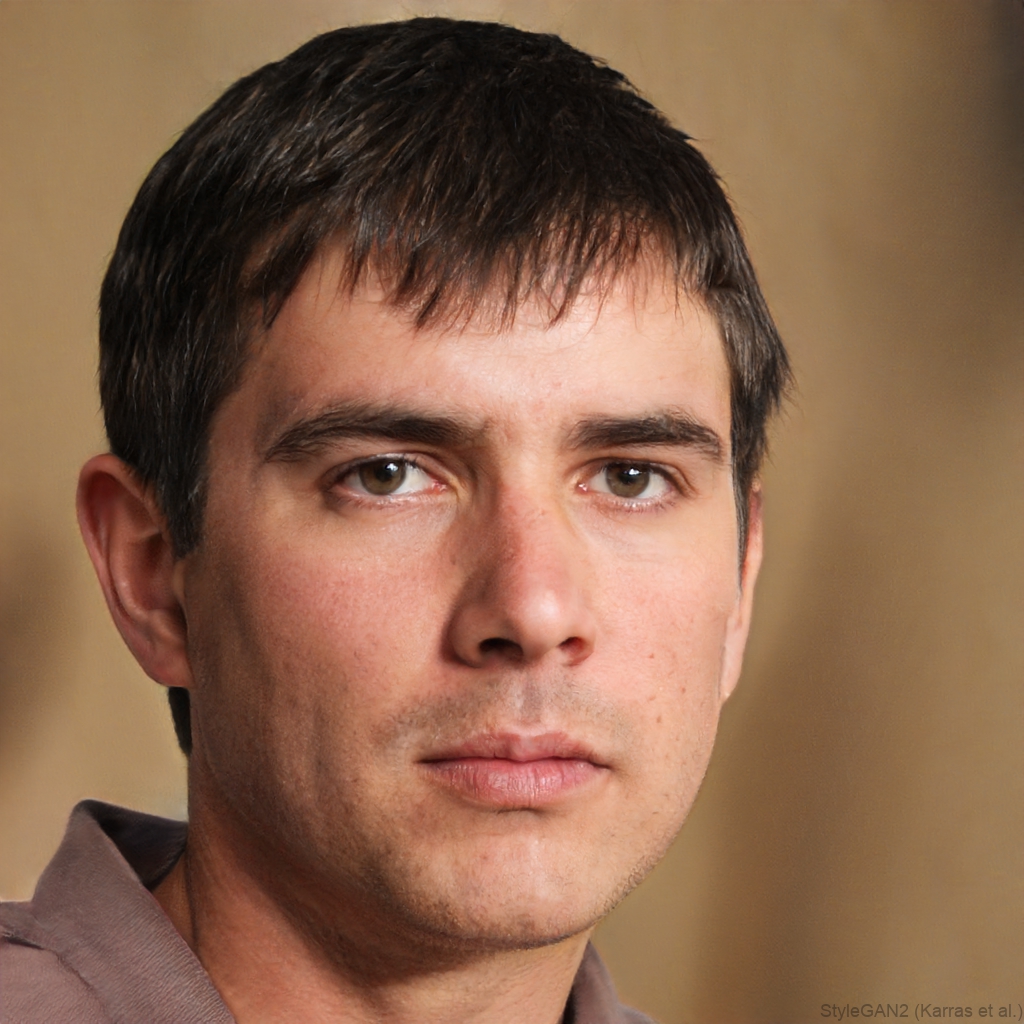
A professional headshot is expected in Germany. Unlike in the US or UK, where photos are often discouraged, German recruiters want to see who you are. Use a high-quality, business-like photo with a neutral background. Avoid selfies or casual shots. Place the photo in the top right corner of the first page, or integrate it into your personal details header. For an English CV targeting international tech companies in Berlin, a photo is still advisable—many Berlin startups are German at their core and will expect it.
Work Experience (Berufserfahrung)
List your work history in reverse chronological order. For each position, include the company name, location, your job title, and dates (month and year). Use a table format without visible gridlines—this is the traditional German style. Under each role, write 3-5 bullet points focusing on responsibilities and, crucially, quantified achievements. German recruiters value precision, so use numbers wherever possible: "Increased sales by 18% in Q3 2025" is better than "responsible for sales growth."
Education (Ausbildung)
German employers place high importance on formal education. List your degrees in reverse chronological order, including institution name, location, degree title, and final grade (if applicable). In Germany, grades are often converted to the German system (1.0 = excellent, 4.0 = pass). If you studied outside Germany, include your original grade and, if possible, a German equivalent. For example: "M.Sc. Computer Science, Technical University of Munich, 2024 (Grade: 1.7)." If you don't know your German grade, leave it out or state "equivalent to German grade 2.0" if you have evidence.
Skills (Kenntnisse)
Group your skills into categories: languages, IT/technical skills, and other relevant competencies. For languages, use the Common European Framework of Reference (CEFR) levels: A1, A2, B1, B2, C1, C2. State your German level honestly—many Berlin and Munich jobs require at least B1, and often B2 or C1. A common mistake is writing "fluent in German" when you are only conversational. Recruiters will test you.
Other Sections (Optional)
You may add sections for certifications, publications, volunteer work, or interests. In Germany, a short "Interests" section is acceptable and can humanize your CV, but keep it brief and professional. Avoid political or controversial hobbies.
Step 2: Choose the Right Language and Tone
Even though you are writing in English, the tone should be formal and precise. Avoid casual phrases, contractions, and marketing jargon. German business communication values directness and clarity. Use action verbs in the past tense for previous roles and present tense for your current position. Do not use "I" statements; start bullet points with verbs like "Managed," "Developed," "Led," or "Implemented."
If you are applying to a fully international company in Berlin that uses English as its working language, you may relax the formality slightly, but the structure should remain German. A good rule: write in English, think in German structure.
Step 3: Optimize for German ATS Systems
German companies increasingly use Applicant Tracking Systems (ATS). According to a 2025 report by the German HR software provider Personio, 62% of mid-sized German companies now use ATS to pre-screen CVs. To pass ATS filters, you must use standard section headings that German software recognizes. Use Work Experience, Education, Skills, and Personal Details as headings—do not get creative with titles like "Career Journey" or "What I Bring."
Include keywords from the job description naturally in your work experience and skills sections. For example, if the job requires "SAP S/4HANA" and "agile project management," ensure those exact phrases appear in your CV. Use a clean, single-column layout without text boxes, graphics, or tables that ATS cannot parse. The traditional German table format is actually ATS-friendly if you use simple formatting with no merged cells. Related reading: How to Write a Project Manager CV for Jobs in Poland in Engl...
For a deeper check, use an ATS resume checker to see if your CV passes modern screening software.
Step 4: Tailor Your CV for Berlin vs. Munich
Berlin and Munich have distinct job markets. Berlin is dominated by startups, tech companies, creative industries, and international organizations. Munich is the headquarters of automotive giants (BMW, Audi), engineering firms, insurance companies, and high-tech manufacturing. Your CV should reflect the local expectations.
Berlin CV Tips
- English-only CVs are widely accepted, especially in startups and scale-ups.
- Emphasize adaptability, international experience, and digital skills.
- A photo is still recommended but may be less critical in very young companies.
- Keep the CV to one page if you have less than 10 years of experience.
Munich CV Tips
- More traditional companies may expect a German-language CV, but an English CV is acceptable if the job ad is in English.
- Highlight engineering, manufacturing, or corporate experience.
- Include any German language proficiency prominently—this gives you an edge.
- Be precise with dates and grades; Munich HR departments are detail-oriented.
In both cities, a well-structured German-style CV in English will outperform a generic international resume. I recently coached a marketing professional from the US who applied to a Berlin e-commerce company. Her original CV had a "Profile" paragraph and no photo. After converting to a German format with a photo and a clear reverse-chronological table, she received a callback within two weeks. The company's HR manager later told her the original CV "looked unprofessional for Germany."
Step 5: Common Mistakes to Avoid
Many international candidates make avoidable errors. Here are the most frequent ones I see in my coaching practice:
- Omitting the photo – This is a quick way to be rejected in traditional companies.
- Using a US-style objective statement – German CVs do not use objectives. Replace with a short professional profile only if the company is very international.
- Listing hobbies that are too casual – "Watching Netflix" is not a hobby for a German CV.
- Forgetting to include your German language level – Even if the job is in English, showing some German proficiency is valuable.
- Using an unprofessional email address – Create a simple firstname.lastname email.
- Submitting a CV longer than two pages – German recruiters are strict about length.
For more pitfalls, see this guide on 6 Common Resume Mistakes to avoid in 2025.
Step 6: Use a Professional Template or Builder
You can create a German-style CV from scratch in Word, but it is time-consuming and error-prone. A better approach is to use a dedicated resume builder app that offers German-compliant templates. Look for templates that include a photo placeholder, a clean table layout, and proper German section headings. Some builders also provide ATS optimization tips.
If you prefer to start from an example, review resume examples for inspiration. For a more detailed breakdown of resume structure, read How to structure your resume.
FAQ: German-Style CV in English for Berlin and Munich
Do I really need to include a photo on my CV for German jobs?
Yes, in most cases. While some international startups in Berlin may not require it, the majority of German companies—especially in Munich—expect a professional photo. Omitting it can make your application look incomplete. If you are applying to a very progressive tech company that explicitly says "photo optional," you can omit it, but including one rarely hurts.
Can I write my CV in English if the job is in Berlin or Munich?
Yes, if the job advertisement is in English or the company states that English is the working language. Many Berlin startups and Munich international corporations accept English CVs. However, if the ad is in German, you should write your CV in German. For English CVs, still follow the German structure.
How long should my German-style CV be?
One page for early-career professionals (under 10 years of experience), two pages for senior roles or those with extensive publications or certifications. German recruiters value brevity and clarity. Never exceed two pages.
Should I include my date of birth and marital status?
Date of birth is standard and expected. Marital status is less common in modern international companies but still appears on many German CVs. If you are unsure, include date of birth and nationality, and omit marital status unless the job ad specifically asks for it.
What if I don't speak German? Can I still get a job in Berlin or Munich?
Yes, especially in Berlin's startup ecosystem and in international roles in Munich. However, having at least basic German (A2 or B1) significantly improves your chances. List your German level honestly on your CV using CEFR levels. For more skills advice, see Skills to Put on Resume (2026 Guide).
Conclusion
Writing a German-style CV in English for jobs in Berlin and Munich is not about translating a US resume. It requires adopting a different structure, including a photo and personal details, using a formal tone, and optimizing for German ATS systems. By following the steps in this guide, you will create a CV that German recruiters immediately recognize as professional and complete. Start by reviewing your current CV against the structure above, then use a reliable builder to format it correctly. Your next job in Germany is within reach—Build your Resume now.

Employment Market Researcher
Michael analyzes employment data and labor market trends to help job seekers make informed decisions about their careers.