
How to Write a CV for Jobs in Romania: Format, Photo Rules, and What Employers Expect
If you are targeting the Romanian job market, you need a CV that speaks the local language—not literally, but structurally and culturally. How to Write a CV for Jobs in Romania: Format, Photo Rules, and What Employers Expect is not just about listing your experience; it is about aligning with deeply ingrained hiring conventions. Romanian recruiters are pragmatic, detail-oriented, and increasingly reliant on Applicant Tracking Systems (ATS). A generic CV will not get you an interview. This guide breaks down the exact format, photo etiquette, and employer expectations you need to master.
Understanding the Romanian CV Format: Europass vs. Modern ATS-Friendly Layouts
Romania has a strong legacy of the Europass CV format, a standardized template promoted by the European Union. Many public sector roles, academic positions, and companies with traditional HR departments still expect or accept Europass. However, for the private sector—especially multinationals, tech companies, and startups—a modern, one-to-two-page CV with a clean layout is now the norm. According to data from eJobs Romania, over 60% of private-sector recruiters prefer a concise, visually clean CV over the Europass template.
The key is to read the job posting carefully. If the employer explicitly requests a Europass CV, use it. Otherwise, opt for a modern layout with clear sections: Contact Information, Professional Summary, Work Experience, Education, Skills, and Languages. Avoid graphics, columns, or tables that can confuse ATS software. A simple, single-column structure with standard headings (e.g., "Work Experience" not "My Journey") is safest.
Personal Information: What to Include and What to Leave Out
Romanian employers expect certain personal details that are now considered outdated or even illegal to request in other countries. You should include your full name, phone number, professional email address, and city of residence. It is common to add your date of birth and nationality, though not mandatory. Marital status and number of children are sometimes requested, but you are not obligated to provide them. A professional photo is standard—more on that below.
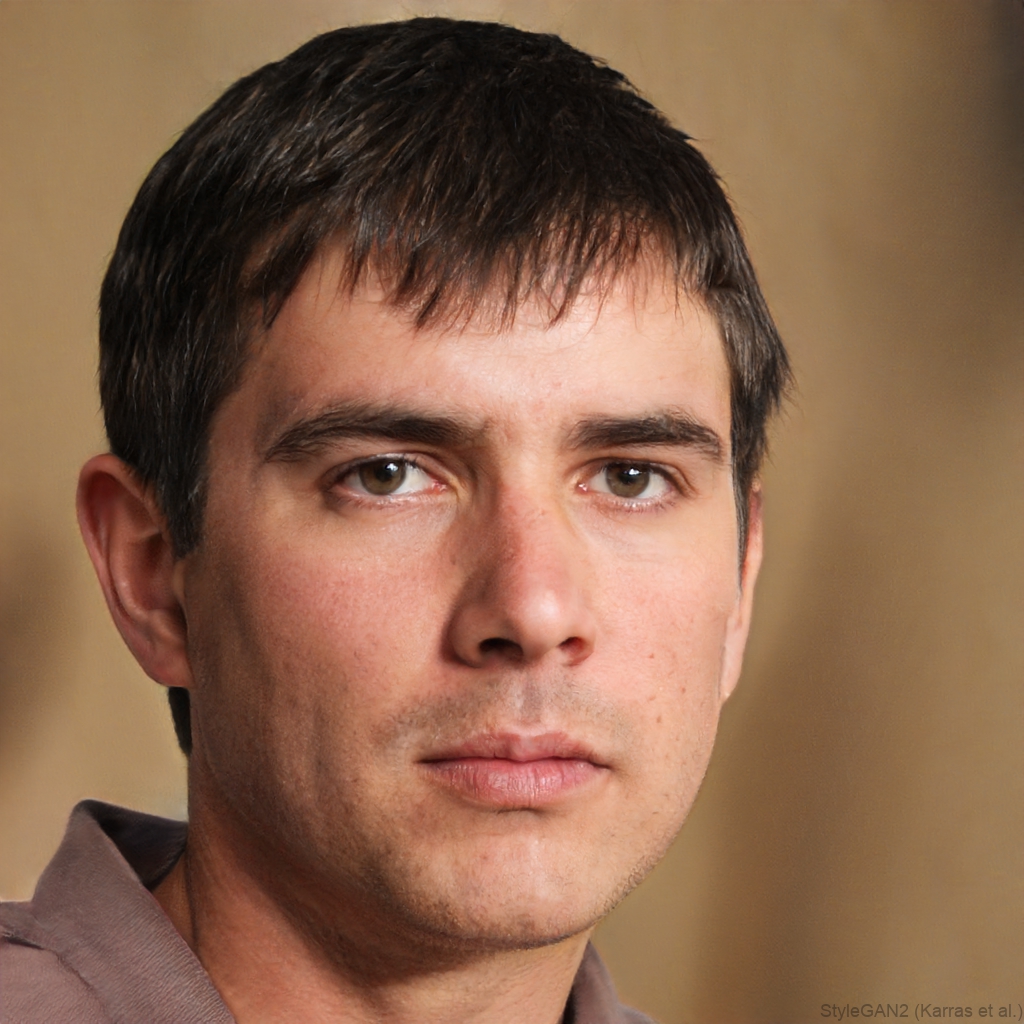
Photo Rules: When to Include a Photo and How to Choose the Right One
In Romania, including a professional photo on your CV is still widely expected, especially for customer-facing roles, sales, hospitality, and administrative positions. A survey by BestJobs Romania found that 72% of recruiters consider a photo important or very important when screening CVs. However, for technical roles like software engineering or data analysis, the photo is less critical, and some international companies may explicitly ask for a CV without a photo to avoid bias.
If you include a photo, it must be professional. Use a recent headshot with neutral background, business attire, and a friendly but confident expression. Avoid selfies, cropped party photos, or heavily filtered images. The photo should be placed in the top right or top left corner, sized about 3.5 x 4.5 cm. If you are applying to a multinational with a strong diversity policy, consider omitting the photo unless the job ad specifically requests it.
How to Write a CV for Jobs in Romania: Format, Photo Rules, and What Employers Expect in Work Experience
Your work experience section is the heart of your CV. Romanian employers value concrete, quantifiable achievements over vague responsibilities. For each role, list the company name, your job title, employment dates (month and year), and 3–5 bullet points that start with action verbs and include numbers where possible. For example, instead of "responsible for sales," write "increased regional sales by 18% within 12 months by implementing a new client outreach strategy."
Use reverse chronological order, meaning your most recent job comes first. If you have gaps in employment, be prepared to explain them briefly in a cover letter or interview. Romanian recruiters are generally understanding of gaps due to further education, family care, or relocation, but they appreciate transparency. Do not list every job you have ever had if it is not relevant; focus on the last 10–15 years and roles that align with your target position.
Education and Certifications: What Romanian Employers Look For
Education is highly valued in Romania. List your highest degree first, including the institution name, field of study, and graduation year. If you have a master's degree or PhD, put that above your bachelor's. Include any relevant certifications, especially those recognized in the EU, such as language certificates (Cambridge, IELTS, DELF) or professional credentials (ACCA, PMP, ITIL). Romanian employers often verify degrees, so be accurate.
Language Skills and Digital Competencies: Non-Negotiable for the Romanian Market
Romania is a hub for outsourcing, IT, and shared services, which means language skills are a major differentiator. English is the de facto business language in many companies, but German, French, Italian, and Spanish are in high demand due to the country's nearshoring boom. List your languages with proficiency levels using the Common European Framework of Reference (CEFR): A1, A2, B1, B2, C1, C2. Be honest—recruiters often test languages during interviews.
Digital skills are equally important. Even for non-technical roles, proficiency in Microsoft Office (Word, Excel, PowerPoint) is expected. For technical roles, list programming languages, software tools, and platforms. Do not just write "computer skills"; be specific: "Advanced Excel (pivot tables, VLOOKUP), SAP, Salesforce, Python." This helps both human recruiters and ATS keyword matching.
Common Mistakes That Get Romanian CVs Rejected
I have seen hundreds of CVs from candidates targeting the Romanian market, and the same mistakes appear again and again. Here are the most damaging ones: Related reading: How to Write a Europass CV in English for Jobs Across Europe... Related reading: How to Write a German-Style CV in English for Jobs in Berlin... Related reading: How to Write a Project Manager CV for Jobs in Poland in Engl... Related reading: How to Write a US Resume in English for International Job Se...
- Using an outdated Europass template for a startup job. It signals you did not research the company culture.
- Including a casual or inappropriate photo. A photo from a beach vacation or a night out will get your CV discarded immediately.
- Writing a generic professional summary. "Motivated team player seeking a challenging position" means nothing. Instead, write a 2–3 sentence summary that highlights your years of experience, key skills, and what you specifically bring to the role.
- Listing responsibilities without results. Romanian recruiters want to see impact. Use the STAR method (Situation, Task, Action, Result) to craft bullet points.
- Ignoring the language of the job ad. If the ad is in Romanian, submit your CV in Romanian unless otherwise stated. If it is in English, English is fine. For international companies, English is usually safe, but a Romanian version is often appreciated.
For more on avoiding pitfalls, read our guide on 6 Common Resume Mistakes to avoid in 2025.
How to Write a CV for Jobs in Romania: Format, Photo Rules, and What Employers Expect for ATS Optimization
Most large Romanian companies and all multinationals use Applicant Tracking Systems (ATS) to filter CVs before a human ever sees them. To pass ATS, your CV must be machine-readable. Use standard fonts like Arial, Calibri, or Times New Roman, size 10–12. Avoid text boxes, headers/footers for key information, images (except the photo, which some ATS can ignore), and unusual file formats. Submit your CV as a PDF unless the job ad specifies Word format. PDF preserves formatting, but some older ATS prefer Word, so check the instructions.
Keywords are critical. Extract keywords from the job description—skills, qualifications, software names, certifications—and weave them naturally into your CV. For example, if the ad asks for "knowledge of Romanian labor law," that exact phrase should appear in your skills or experience section. Do not stuff keywords; ATS can detect unnatural language. Our ATS resume checker can analyze your CV for compatibility and suggest improvements.
Tailoring Your CV for Different Sectors in Romania
Romania's job market is diverse. In Bucharest, Cluj-Napoca, and Timișoara, the tech sector dominates, and employers expect a skills-focused CV with a portfolio link. In manufacturing and agriculture, a more traditional format with emphasis on reliability and hands-on experience works better. For public sector jobs, the Europass format is often mandatory. Always check the specific requirements of the sector and the company. You can browse resume examples tailored to different industries to see what works.
FAQ: How to Write a CV for Jobs in Romania
1. Is it mandatory to include a photo on a CV in Romania?
No, it is not legally mandatory, but it is strongly recommended for most roles. For international or tech companies, omitting the photo is acceptable and sometimes preferred. Read the job ad for guidance.
2. Should my CV be in Romanian or English?
If the job ad is in Romanian, submit a Romanian CV. If the ad is in English or the company is international, English is usually acceptable. When in doubt, prepare both versions. For more on language and skills, see our guide on Skills to Put on Resume (2026 Guide).
3. How long should a CV be for the Romanian market?
One to two pages is standard. For senior executives or academics, three pages may be acceptable, but most recruiters prefer concise documents. Focus on the most relevant experience.
4. Is the Europass CV still accepted in Romania?
Yes, especially in the public sector, education, and some traditional companies. However, for private-sector and multinational roles, a modern ATS-friendly CV is more effective. Use Europass only when explicitly requested.
5. Do Romanian employers verify references and degrees?
Many do, particularly for regulated professions and higher-level positions. Be truthful about your qualifications and be prepared to provide contact details for references upon request.
Conclusion: Your Next Step to a Job in Romania
Writing a CV that meets Romanian employers' expectations is a skill that can be learned. Focus on a clean, ATS-friendly format, a professional photo (when appropriate), quantified achievements, and language skills that match the job. Avoid generic clichés and tailor every CV to the specific role. For more detailed guidance on structure, read How to structure your resume. If you want to see what a strong CV looks like, explore our resume examples. And when you are ready to create your own, use our free tools to get started.
Build your Resume now and get one step closer to your next job in Romania.

Talent Acquisition Expert
Emily has reviewed thousands of applications as a senior recruiter and now shares insider knowledge on what makes candidates stand out.